
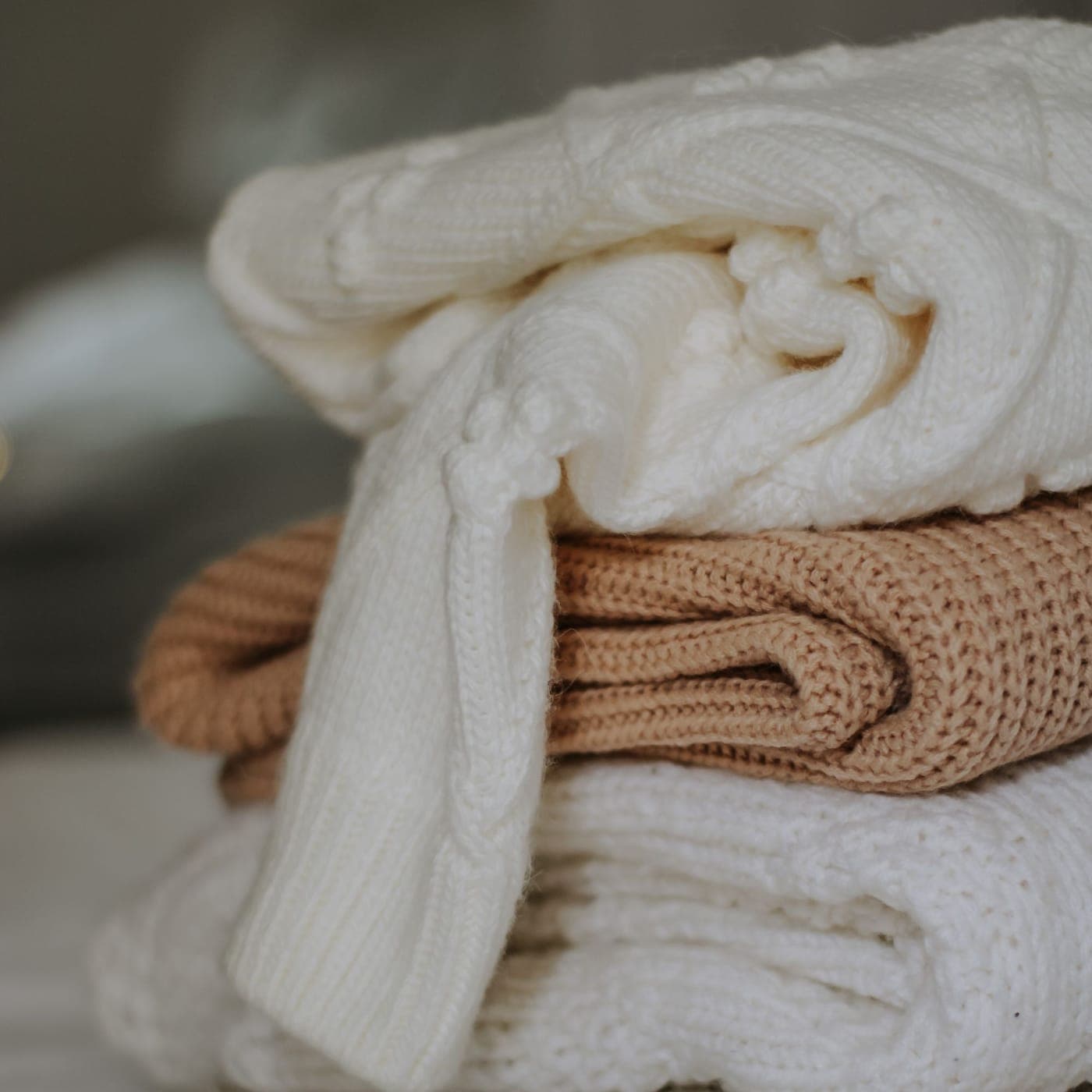
GSM stands for grams per square metre. It is the weight of one square metre of fabric, and it is the figure most buyers use to describe how heavy a T-shirt, polo or hoodie fabric is. A 180 GSM jersey weighs 180 grams per square metre; a 400 GSM fleece weighs more than twice as much.
It is one of the first numbers a manufacturer will ask you for, because it affects almost everything about the finished garment: how it feels, how it hangs, how warm it is, how it takes a print and what it costs.
How GSM is measured
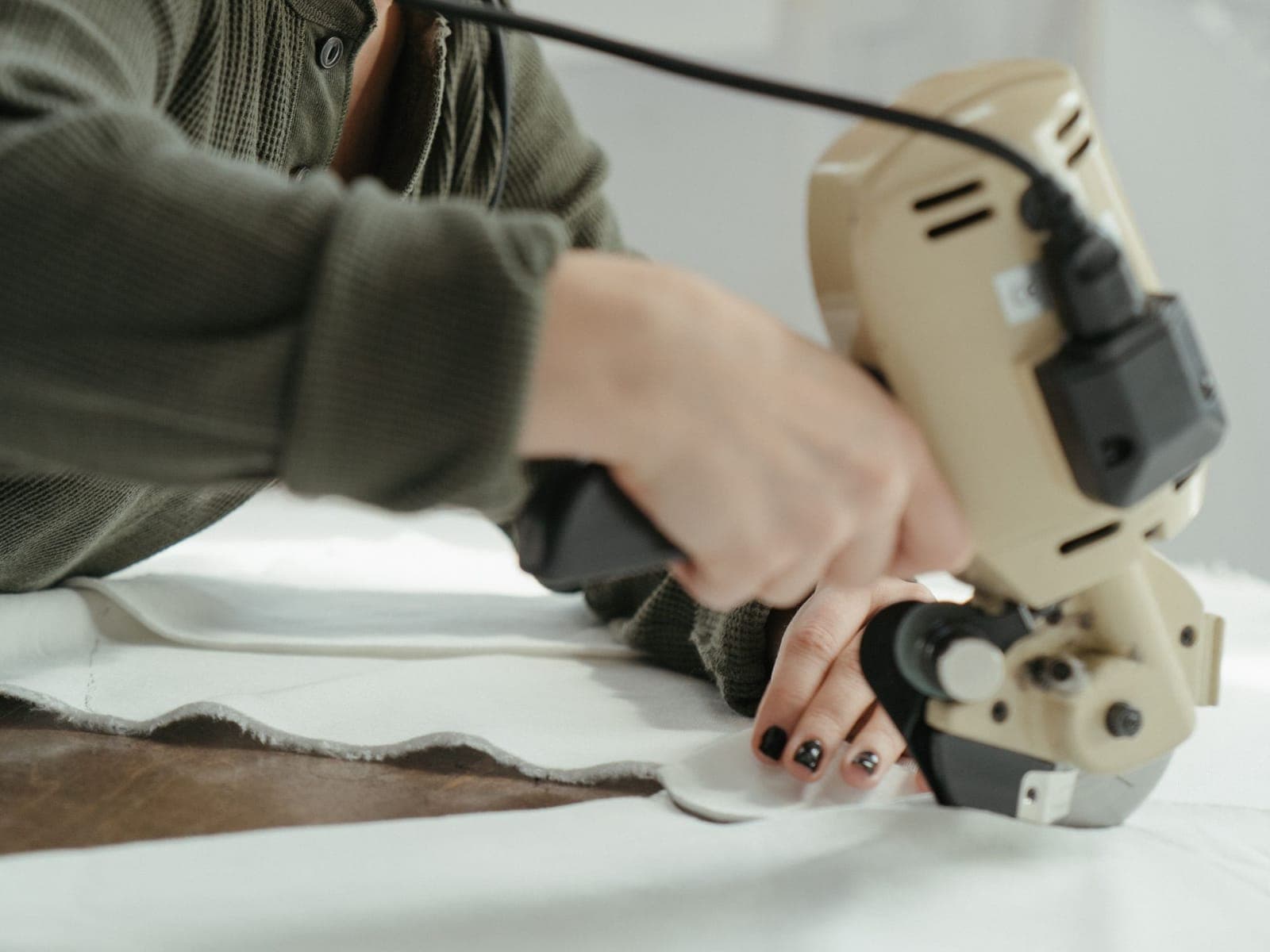
A small circular sample is cut from the fabric with a GSM cutter. The standard cutter removes exactly 100 square centimetres, so the sample is weighed on a precision scale and the reading multiplied by 100 to give grams per square metre.
Two details matter when you compare figures:
- Finished weight, not greige weight. Fabric changes weight through dyeing, washing and finishing. The number that matters for your garment is the finished fabric weight, so make sure you and your supplier are talking about the same one.
- Tolerance. Knitted fabric is never exactly the same weight across a whole production lot. A tolerance is agreed, often around ±5%, and the fabric is checked against it before cutting.
GSM and ounces
Many US suppliers describe fabric in ounces per square yard rather than GSM. One ounce per square yard is about 33.9 GSM:
| Ounces per square yard | Approximate GSM |
|---|---|
| 4.5 oz | 153 GSM |
| 5.3 oz | 180 GSM |
| 6 oz | 203 GSM |
| 8 oz | 271 GSM |
| 10 oz | 339 GSM |
| 12 oz | 407 GSM |
Be careful with ounces per linear yard. That figure depends on the width of the fabric roll, so it does not convert to GSM directly. If a supplier quotes ounces, ask which one they mean.
Typical GSM by garment
The bands below are broad ranges used across the industry, not fixed rules. The right weight for your product depends on the fabric, the fit and the market you sell into.
| Garment | Lighter | Mid-weight | Heavier |
|---|---|---|---|
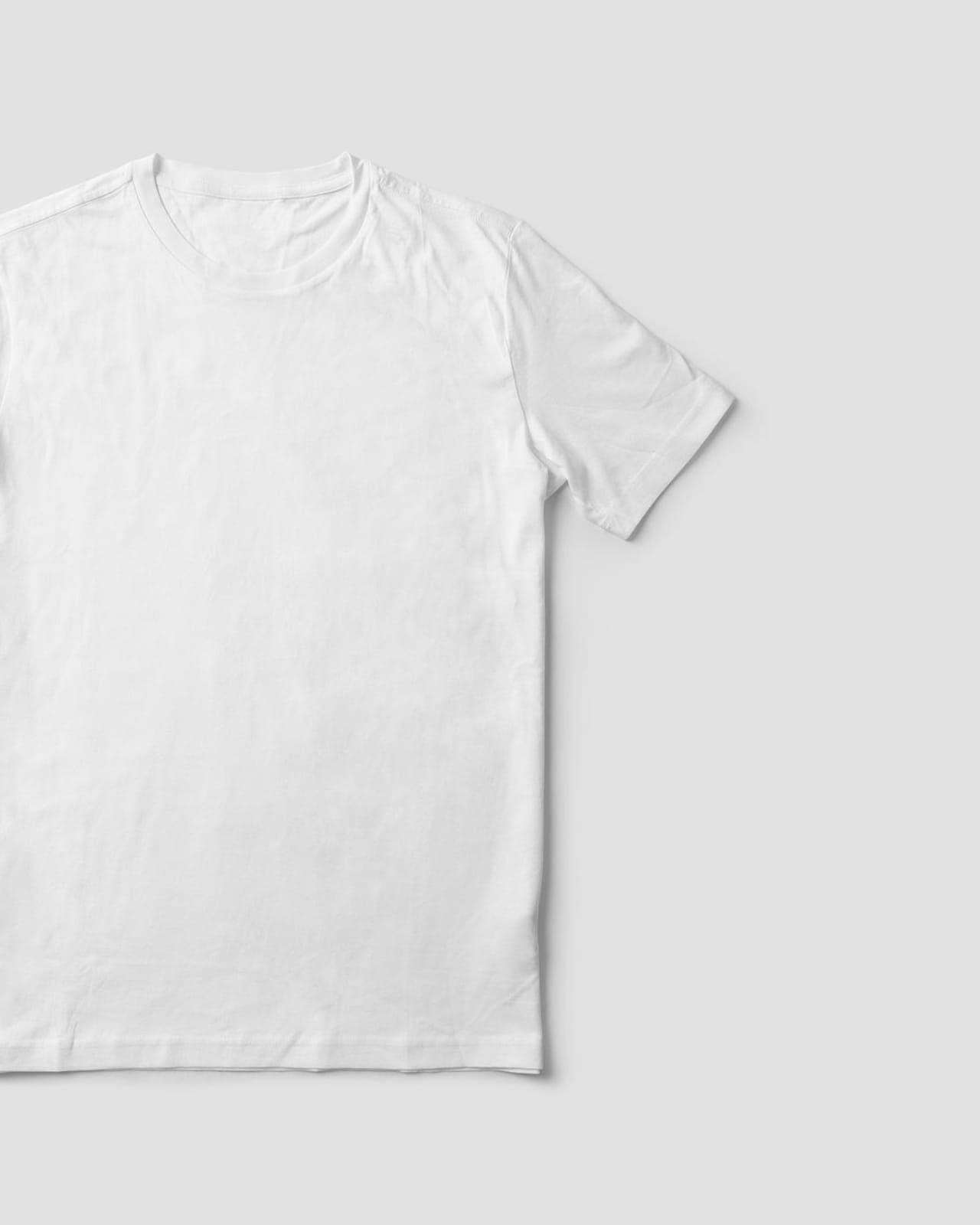
| T-shirts (single jersey) | 130–150 | 160–190 | 200–260 |
| Polo shirts (piqué) | 170–190 | 200–220 | 230–260 |
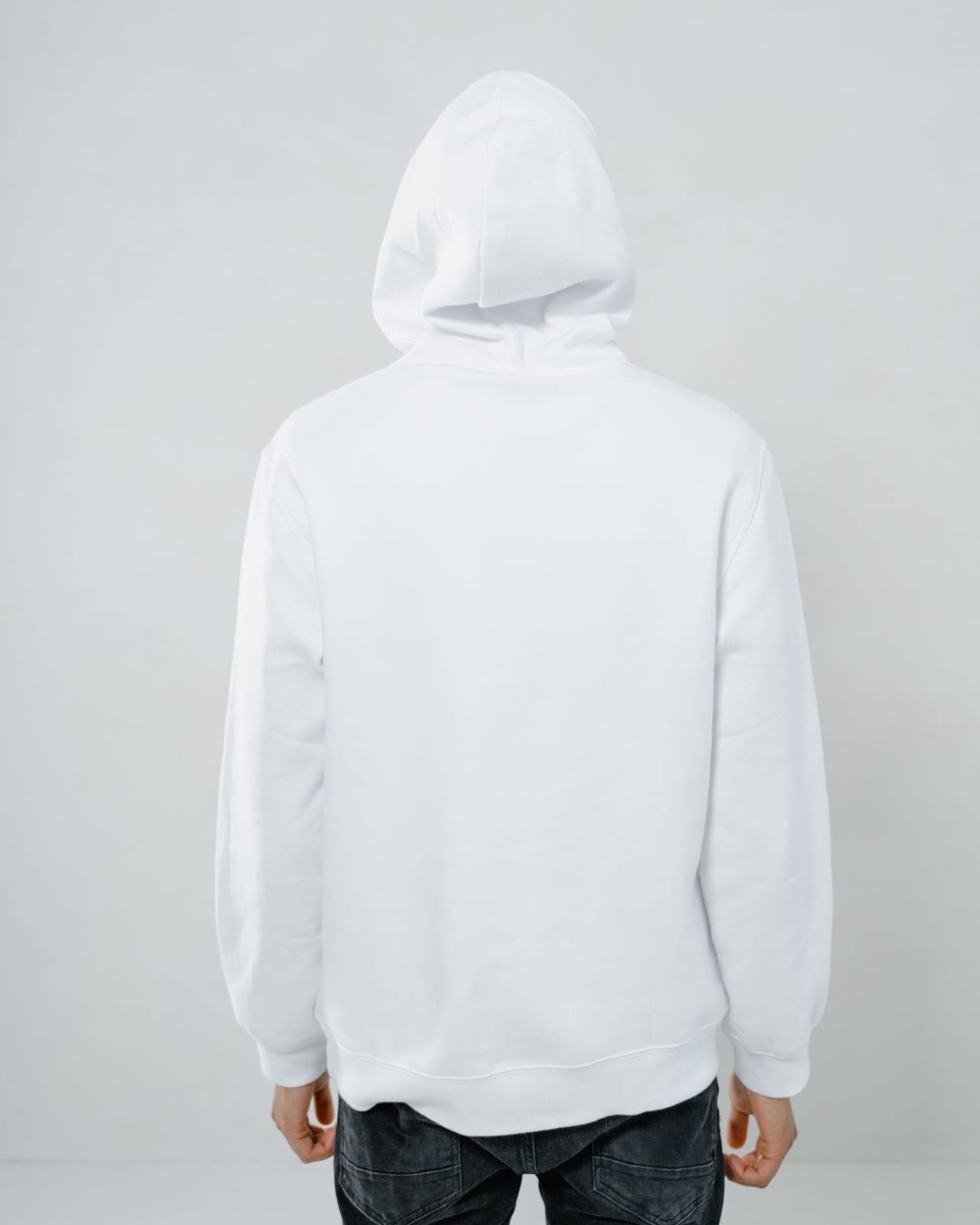
| Sweatshirts, hoodies and joggers (French terry or fleece) | 240–280 | 300–350 | 360–450+ |
Kidswear generally sits towards the lighter, softer end of each band.
What GSM changes in the finished garment
- Hand feel and structure. Heavier fabric feels more substantial and holds a shape, which is why boxy streetwear tees and structured hoodies sit at the top of the range. Lighter fabric drapes and moves with the body.
- Warmth and breathability. More fabric means more warmth. Lighter weights suit summer ranges, layering pieces and hot-climate markets.
- Opacity. Light jerseys, particularly in white and pale colours, can be slightly see-through.
- Printing and embroidery. Very light fabrics can pucker under dense embroidery, while heavier fabrics give a more stable base for large prints and puff print. How much this matters depends on the artwork and the method.
- Cost. Fabric is largely priced by weight, so a heavier fabric puts more yarn into every garment and raises the fabric cost. It also adds shipping weight, which matters if you plan to air-freight.
Heavier is not automatically better
GSM tells you weight, not quality. Two fabrics at the same GSM can feel completely different depending on the fibre (cotton, CVC or a polyester blend), the yarn (combed or carded, ring-spun or open-end), the knit structure and the finishing. A well-made 180 GSM combed cotton jersey can feel better than a coarse 220 GSM fabric.
Choose the weight for the garment you want, then judge the fabric itself on the sample. Our fabric guide explains how the common knit fabrics differ, including French terry and fleece.
How to choose GSM for your range
Five questions settle most decisions:
- What is the garment, and how should it sit? Fitted and fluid, or boxy and structured?
- Which season and which climate? A summer tee for the Gulf and a winter hoodie for the UK need very different weights.
- Who is it for, and at what retail price? Weight is one of the biggest levers on fabric cost.
- How will it be decorated? Large prints, puff print and dense embroidery need a stable base.
- Do you already have a garment you like?
The last question is the most useful. A reference garment lets the manufacturer measure its weight and construction and develop against it, which is faster and more reliable than choosing a number in the abstract.
How to put GSM in your tech pack
- State the target finished fabric weight, for example "single jersey, 180 GSM finished".
- Give the fibre composition alongside it, because the two interact.
- Agree the tolerance.
- Send a reference garment or swatch if you have one.
- Confirm the weight on the approved sample. That sample becomes the standard for bulk production.
For the rest of what a manufacturer needs to see, read how our development process starts from your tech pack.
How we handle fabric weight
At RASIKH Apparel, fabric weight is confirmed with you against your tech pack at sampling. We develop T-shirts, polo shirts, hoodies and sweatshirts across jersey, piqué, French terry and fleece constructions in multiple weights, subject to fabric, colour and order requirements.
If you are not sure which weight is right, send us a reference garment or describe how you want the product to feel, and we will recommend options. Request a quote to start.