MOQ stands for minimum order quantity: the smallest number of pieces a manufacturer will produce for one order. It is one of the first things a new brand asks about, and one of the most misunderstood.
An MOQ is not an arbitrary number meant to push you into a bigger order. It reflects real fixed costs in fabric, set-up and trims, which have to be spread over enough pieces to make the order workable for both sides. Once you know what drives it, you can plan a first order around it.
Why manufacturers set an MOQ
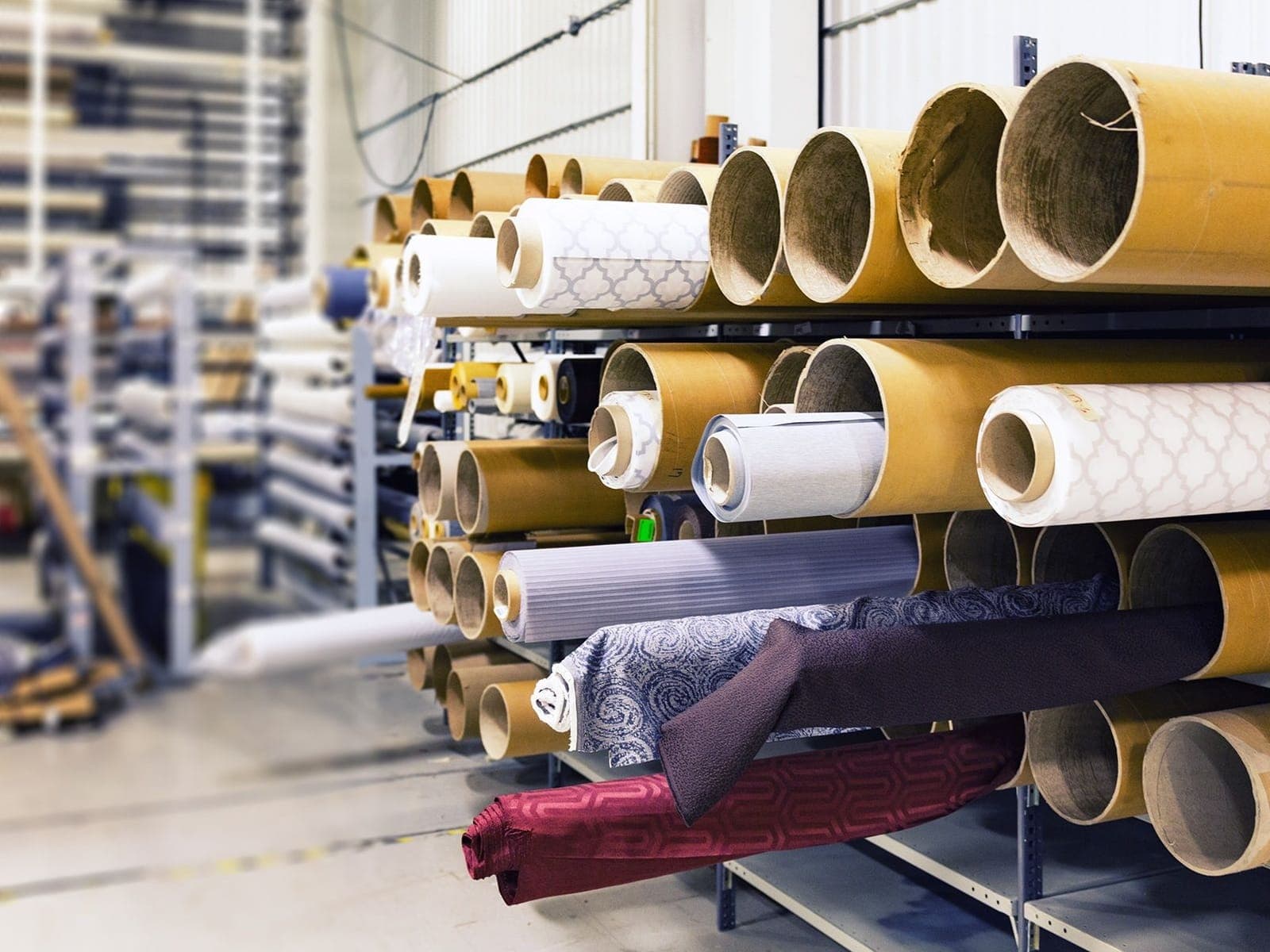
Fabric minimums. Knitted fabric is dyed in batches. Mills and dye houses have their own minimums per colour, and a small dye lot carries much of the same cost as a larger one.
Set-up work. Every style needs a pattern, size grading, a cutting marker and a production line set up for it. That work is broadly the same whether the order is 300 pieces or 3,000.
Trims and branding. Woven labels, printed tapes, custom zips, drawcords and swing tags usually come with their own supplier minimums. Screen printing needs a screen for each colour in the artwork.
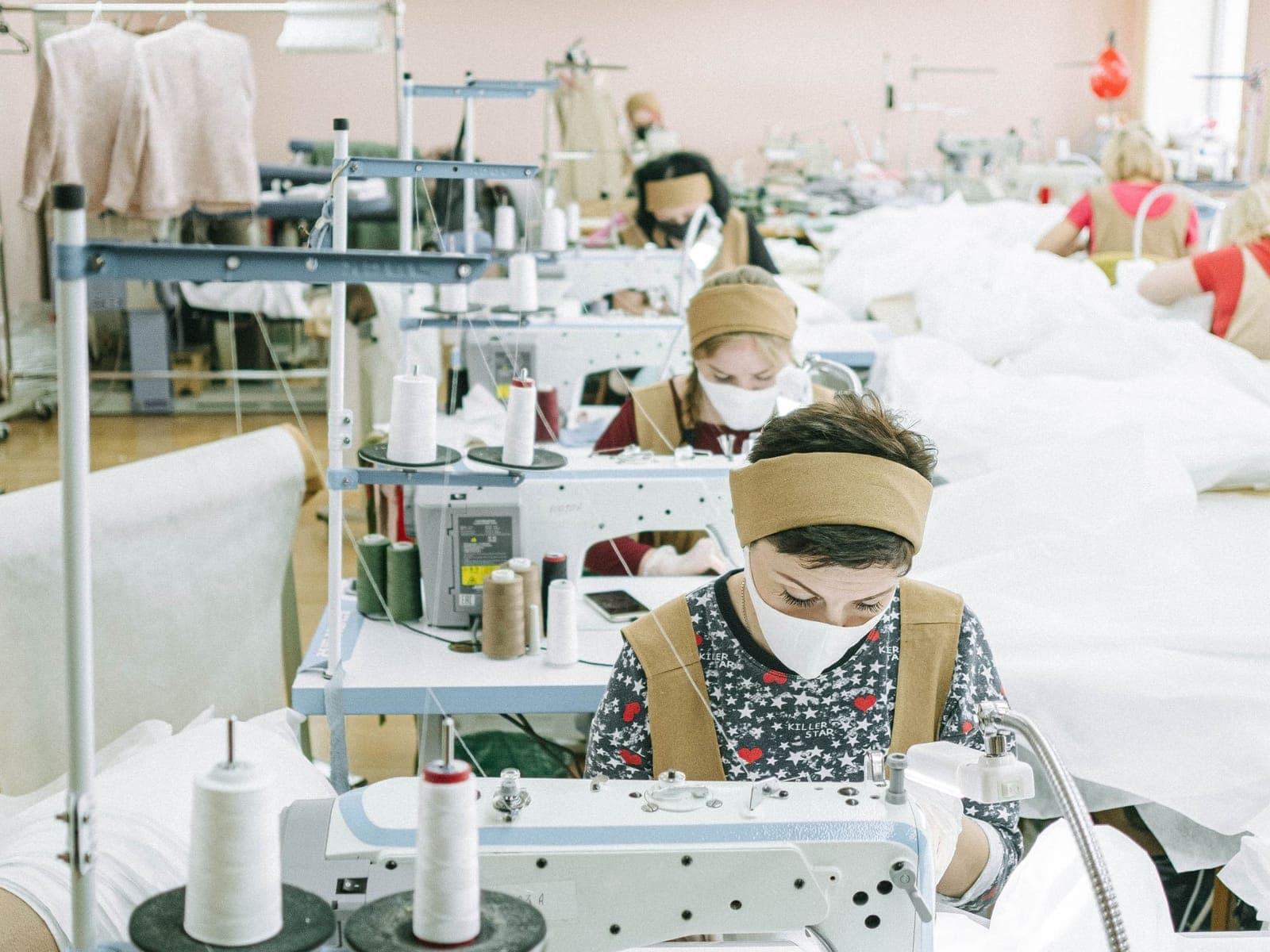
Consistency. Sewing lines become faster and more consistent once operators settle into a style. Very short runs spend proportionally more of their time in set-up.
What "per colour" and "per style" mean
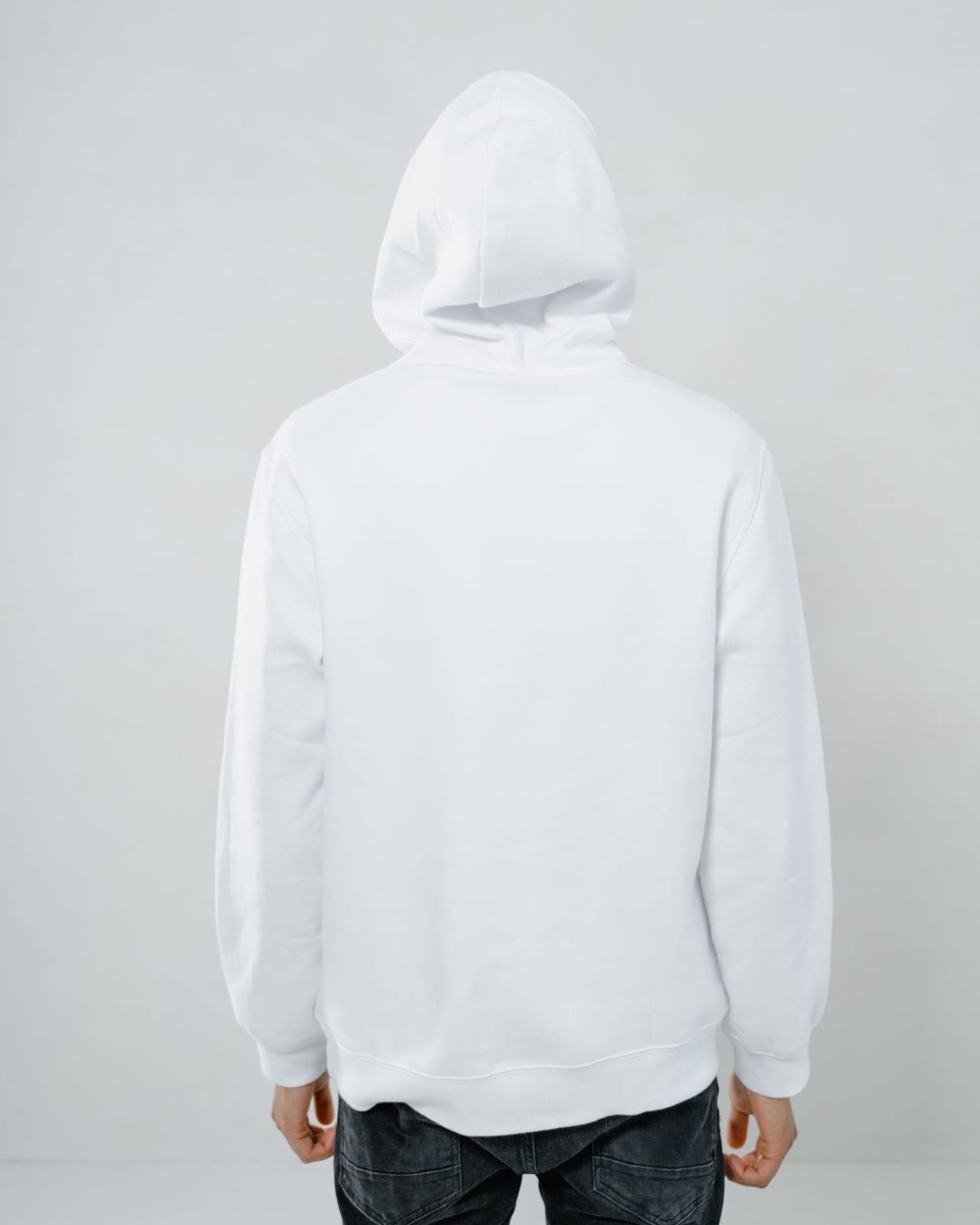
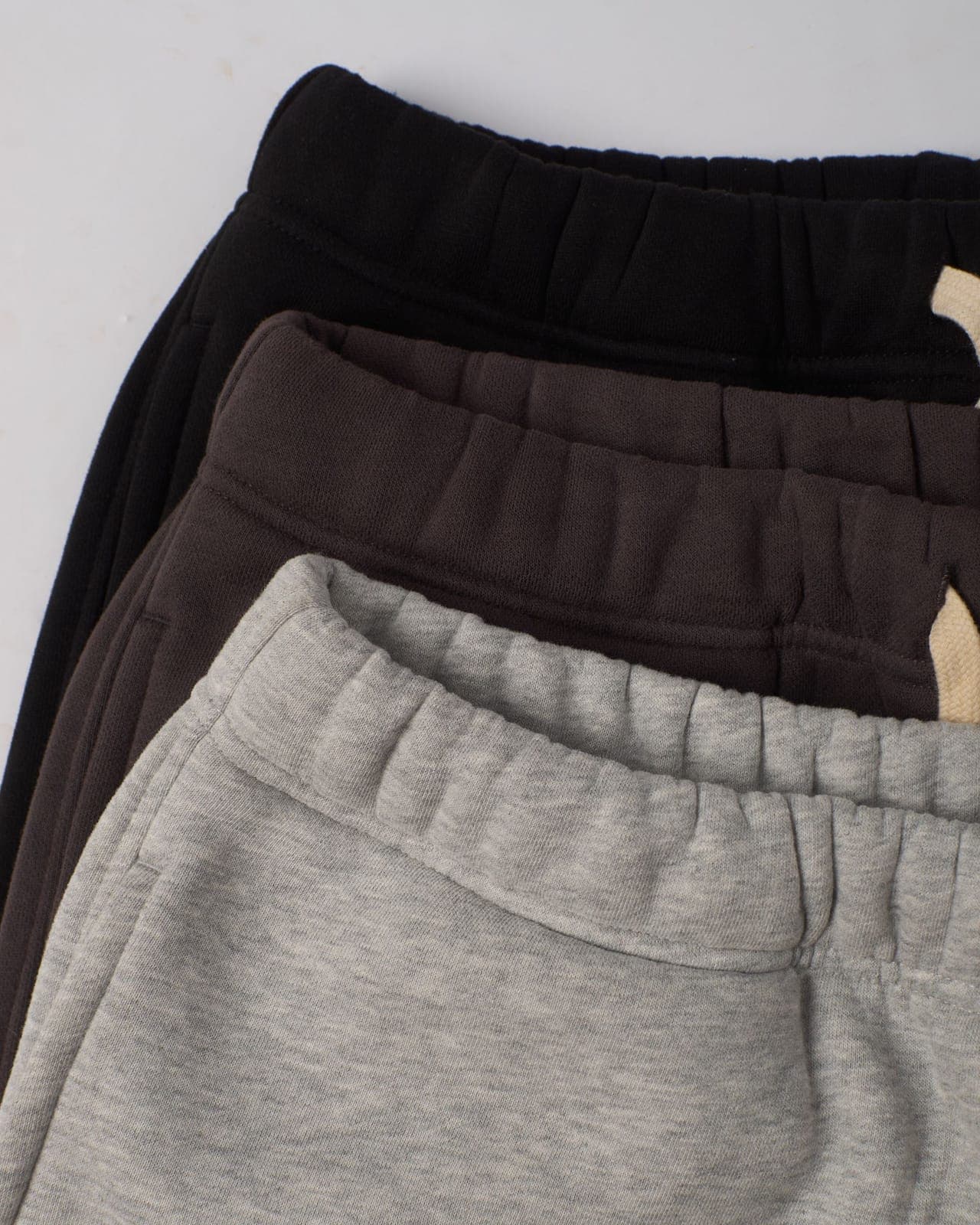
MOQs are usually quoted per style, per colour. A minimum of 300 pieces per colour means 300 pieces of one style in one colourway. A hoodie in black and grey at that minimum is 600 pieces in total, not 300 split between the two colours.
In most cases the quantity can be spread across your size range in whatever ratio suits your customers. Check this with your manufacturer, because it varies.
What moves an MOQ up or down
| A lower MOQ is easier when… | A higher MOQ is likely when… |
|---|---|
| The fabric is available in stock colours | The fabric is custom-dyed to a colour reference |
| Branding is a single print or embroidery | You need custom-made trims, zips or woven labels |
| Several styles share one fabric and colour | Every style uses a different fabric |
| The construction is standard | The garment needs special yarns, washes or finishes |
Our starting point
Minimum order quantity: From 300 pcs per colour
Starting point on selected products. Lower quantities may be considered depending on style, fabric and customisation.
The figure is set by the same factors described above, so the fastest way to an exact answer is to tell us the product, fabric, colours and branding you have in mind.
How to start with a smaller first order
- Keep the first drop tight. Fewer styles and colours, with more depth in each, gets you to the minimum without spreading thin.
- Use stock fabric colours first. Move to custom dyes once the product has proven itself.
- Share fabric across styles. A hoodie and jogger in the same fleece and colour draw on one fabric order.
- Keep branding simple at the start. A printed neck label and one print or embroidery placement avoid separate trim minimums.
- Ask what is driving the number. If the limit is the fabric minimum rather than the production line, you can design around it.
MOQ, unit price and sampling
Unit price usually falls as quantity rises, because the fixed costs are spread over more pieces. The lowest possible quantity is therefore rarely the cheapest per piece, so compare the price at two or three quantities before you decide.
The MOQ applies to bulk production. Samples come first, so that fit, fabric and finish are approved before you commit to a bulk quantity. Our How We Work page walks through each stage from tech pack to shipment, and private label manufacturing explains what you supply and what we supply.
Questions to ask a manufacturer about MOQ
- Is the minimum per style, per colour or per order?
- Can sizes be split freely within it?
- What is driving the minimum on this product: fabric, trims or production?
- Would a stock fabric colour lower it?
- How does the unit price change at double the quantity?
Tell us what you are planning, with styles, colours and rough quantities, and we will tell you what is workable on your product. Request a quote or browse the product range first.